Introduction
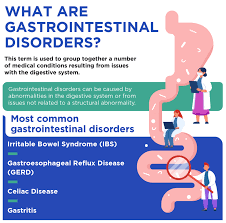
Gut health is essential for overall well-being, affecting digestion, immunity, mental health, and even chronic disease risk. However, when the gut is out of balance, it can lead to a variety of disorders that impact daily life. This article will explore some of the most common gut disorders, their symptoms, causes, and effective strategies for management.
1. Irritable Bowel Syndrome (IBS)
Overview:
Irritable Bowel Syndrome (IBS) is one of the most common gut disorders, affecting the large intestine. It is a functional gastrointestinal disorder, meaning it’s related to problems with how the gut works, rather than structural abnormalities.
Symptoms:
- Abdominal pain or cramping, often relieved by bowel movements
- Bloating and excess gas
- Diarrhea, constipation, or alternating between the two
- Mucus in the stool
Causes:
The exact cause of IBS is unknown, but contributing factors may include gut-brain communication issues, heightened sensitivity in the gut, gastrointestinal infections, and changes in the gut microbiome.
Management Strategies:
- Dietary Adjustments: A low-FODMAP diet is commonly recommended, which involves reducing the intake of certain fermentable carbohydrates that can exacerbate symptoms. Additionally, identifying and avoiding trigger foods can be helpful.
- Stress Management: Techniques such as cognitive-behavioral therapy (CBT), mindfulness, and regular exercise can help reduce stress, which often worsens IBS symptoms.
- Medications: Depending on the symptoms, antispasmodics, laxatives, or antidiarrheal medications may be prescribed.
2. Inflammatory Bowel Disease (IBD)
Overview:
Inflammatory Bowel Disease (IBD) encompasses two main conditions: Crohn’s disease and ulcerative colitis. Both involve chronic inflammation of the gastrointestinal (GI) tract, though they affect different parts. Crohn’s can occur anywhere along the GI tract, while ulcerative colitis is confined to the colon and rectum.
Symptoms:
- Persistent diarrhea
- Abdominal pain and cramping
- Blood in the stool
- Weight loss and fatigue
Causes:
The exact cause of IBD is unknown, but it involves an abnormal immune response that leads to chronic inflammation. Genetic factors and environmental triggers, such as diet and stress, also play a role.
Management Strategies:
- Medications: Anti-inflammatory drugs, immunosuppressants, and biologics are commonly used to reduce inflammation and manage symptoms.
- Dietary Changes: An anti-inflammatory diet rich in omega-3 fatty acids, probiotics, and low-residue foods can help manage symptoms. Avoiding trigger foods like dairy, high-fiber foods, and spicy foods may also be beneficial.
- Surgery: In severe cases, surgery may be necessary to remove damaged portions of the digestive tract or to create a stoma.
3. Gastroesophageal Reflux Disease (GERD)
Overview:
Gastroesophageal Reflux Disease (GERD) occurs when stomach acid frequently flows back into the esophagus, leading to irritation and symptoms such as heartburn.
Symptoms:
- Persistent heartburn (a burning sensation in the chest)
- Regurgitation of food or sour liquid
- Difficulty swallowing
- Chronic cough or hoarseness
Causes:
GERD is often caused by a weakened lower esophageal sphincter (LES), which allows acid to escape from the stomach into the esophagus. Contributing factors include obesity, smoking, certain foods, and medications.
Management Strategies:
- Lifestyle Changes: Weight loss, avoiding trigger foods (such as spicy, fatty, or acidic foods), and eating smaller, more frequent meals can reduce GERD symptoms.
- Medications: Antacids, H2 blockers, and proton pump inhibitors (PPIs) are commonly used to reduce stomach acid production and relieve symptoms.
- Surgery: In severe cases, surgery may be necessary to strengthen the LES and prevent acid reflux.
4. Celiac Disease
Overview:
Celiac disease is an autoimmune disorder in which the ingestion of gluten (a protein found in wheat, barley, and rye) triggers an immune response that damages the small intestine. This damage impairs nutrient absorption and can lead to various health problems.
Symptoms:
- Diarrhea or constipation
- Bloating and gas
- Fatigue
- Anemia
- Weight loss
Causes:
Celiac disease is triggered by consuming gluten-containing foods. It is also genetic, meaning it runs in families.
Management Strategies:
- Gluten-Free Diet: The only effective treatment for celiac disease is a strict gluten-free diet. This involves avoiding all foods and products containing wheat, barley, and rye.
- Nutritional Supplements: Since celiac disease can lead to nutrient deficiencies, supplements like iron, calcium, and vitamins D and B12 may be necessary.
- Regular Monitoring: Regular check-ups and screenings for nutrient deficiencies and other complications are essential for managing the disease.
5. Small Intestinal Bacterial Overgrowth (SIBO)
Overview:
Small Intestinal Bacterial Overgrowth (SIBO) occurs when there is an abnormal increase in the number of bacteria in the small intestine. This can lead to nutrient malabsorption and various digestive symptoms.
Symptoms:
- Bloating and gas
- Abdominal pain
- Diarrhea or constipation
- Unintentional weight loss
Causes:
SIBO can be caused by conditions that affect the motility of the small intestine, such as diabetes, hypothyroidism, and irritable bowel syndrome (IBS). It can also result from structural abnormalities in the intestine.
Management Strategies:
- Antibiotics: Antibiotics like rifaximin are commonly prescribed to reduce bacterial overgrowth in the small intestine.
- Dietary Changes: A low-FODMAP diet or specific carbohydrate diet (SCD) can help manage symptoms by reducing the fermentation of carbohydrates by bacteria.
- Probiotics: Certain probiotics may help restore balance to the gut microbiome and prevent the recurrence of SIBO.
Conclusion
Common gut disorders like IBS, IBD, GERD, celiac disease, and SIBO can significantly impact quality of life. However, with proper management strategies, many of these conditions can be effectively controlled. Dietary modifications, medications, and lifestyle changes are key components of managing gut disorders. If you suspect you have a gut disorder, it’s important to consult with a healthcare professional for a proper diagnosis and personalized treatment plan.
Interested in learning more about gut health? Explore our other articles on maintaining a gut-healthy lifestyle, the best supplements for gut health, and how to improve gut health naturally. By taking proactive steps to manage your gut health, you can enhance your overall well-being.

