Introduction
Food sensitivities, also known as food intolerances, are becoming increasingly common and can significantly impact your daily life. Unlike food allergies, which trigger an immediate and sometimes severe immune response, food sensitivities typically involve a more delayed reaction, leading to chronic symptoms such as digestive discomfort, headaches, fatigue, and skin issues. Identifying and managing food sensitivities can be challenging, but with the right approach, you can improve your health and overall well-being. This article provides a comprehensive guide on how to identify food sensitivities and offers practical tips for managing them effectively.
What Are Food Sensitivities?
Food sensitivities occur when your body has difficulty digesting certain foods or when certain foods trigger a mild immune response. These reactions can vary widely from person to person and can be difficult to pinpoint due to their delayed onset.
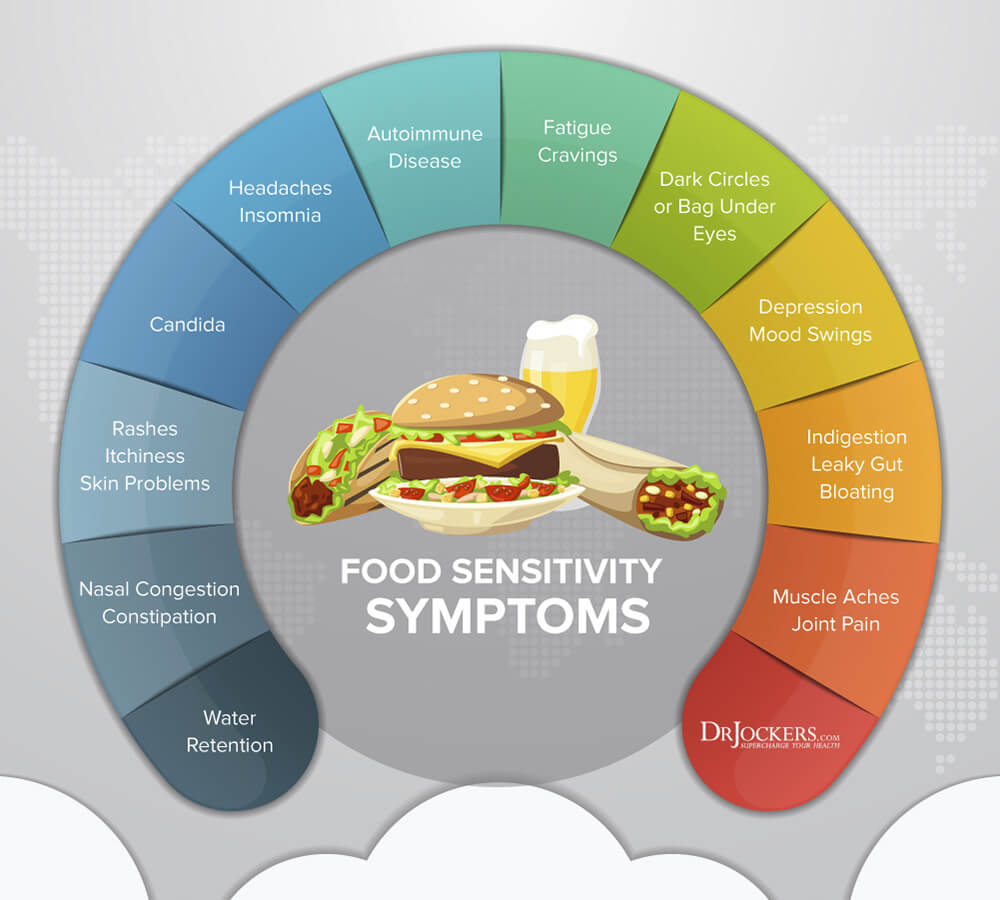
Common Symptoms of Food Sensitivities:
- Digestive issues such as bloating, gas, diarrhea, or constipation
- Abdominal pain or cramping
- Headaches or migraines
- Fatigue or feeling lethargic
- Skin problems, such as eczema, rashes, or acne
- Joint pain or inflammation
- Brain fog or difficulty concentrating
These symptoms can appear hours or even days after consuming the offending food, making it difficult to identify the cause.
How to Identify Food Sensitivities
- Keep a Food Diary
Why It Works:
A food diary is a simple yet effective tool for identifying food sensitivities. By tracking what you eat and any symptoms you experience, you can start to see patterns that may indicate a sensitivity to specific foods.
How to Do It:
- Record every meal, snack, and drink you consume, along with portion sizes and ingredients.
- Note the time of day you eat and when any symptoms occur.
- Include other factors that might influence symptoms, such as stress levels, sleep quality, and physical activity.
Tips:
Consistency is key. Keep your food diary for at least two weeks to gather enough data to identify patterns. Be as detailed as possible to ensure accurate tracking.
- Elimination Diet
Why It Works:
An elimination diet involves removing specific foods from your diet that are commonly associated with food sensitivities and then gradually reintroducing them one at a time. This method helps isolate foods that may be causing symptoms.
How to Do It:
- Elimination Phase: For 2-4 weeks, eliminate common trigger foods from your diet, such as dairy, gluten, soy, eggs, nuts, and nightshades (e.g., tomatoes, peppers).
- Reintroduction Phase: Gradually reintroduce one food at a time every 3-5 days, monitoring for symptoms. If symptoms return, the reintroduced food is likely a trigger.
Tips:
Working with a healthcare professional, such as a nutritionist or dietitian, can help ensure that the elimination diet is balanced and that you are meeting your nutritional needs.
- Consider Food Sensitivity Testing
Why It Works:
Food sensitivity tests measure your body’s immune response to specific foods by detecting antibodies like IgG. While these tests can provide insights, they should be used in conjunction with other methods like an elimination diet.
How to Do It:
- Consult with a healthcare provider to determine if food sensitivity testing is appropriate for you.
- Choose a reputable lab that offers comprehensive testing.
- Use the results as a guide to inform your elimination diet or other dietary adjustments.
Tips:
Remember that food sensitivity tests can sometimes produce false positives or negatives. They should not be relied upon as the sole method of diagnosis.
- Monitor Symptoms During Reintroduction
Why It Works:
After completing the elimination phase, monitoring your symptoms during the reintroduction of foods can help confirm which foods are problematic.
How to Do It:
- Reintroduce one food at a time and observe your body’s reaction for 3-5 days.
- Keep detailed notes on any symptoms that arise, including their severity and timing.
- If no symptoms occur, the food may be safe to include in your diet.
Tips:
Be patient during this process. It can take time to accurately identify which foods are causing sensitivities, but careful tracking will help you make informed decisions.
How to Manage Food Sensitivities
- Avoid Trigger Foods
Why It Works:
The most straightforward way to manage food sensitivities is to avoid the foods that trigger symptoms. Once you have identified your trigger foods, removing them from your diet can lead to significant improvements in your health.
How to Do It:
- Read food labels carefully to avoid hidden sources of trigger foods.
- Plan meals ahead of time to ensure you have safe, nutritious options available.
- When dining out, communicate your food sensitivities to restaurant staff to avoid accidental exposure.
Tips:
It may take some time to adjust to avoiding certain foods, but with practice, you can develop new eating habits that support your health.
- Use Substitutes
Why It Works:
Finding substitutes for foods you are sensitive to allows you to maintain a balanced diet without missing out on key nutrients.
How to Do It:
- Replace cow’s milk with almond, coconut, or oat milk if you are sensitive to dairy.
- Use gluten-free grains like quinoa, rice, or cornmeal in place of wheat.
- Explore egg substitutes such as flaxseed meal or applesauce in baking.
Tips:
Experiment with different substitutes to find ones that you enjoy and that work well in your favorite recipes.
- Support Gut Health
Why It Works:
Improving gut health can help reduce food sensitivities by enhancing the integrity of the gut lining and promoting a healthy balance of gut bacteria.
How to Do It:
- Incorporate probiotics into your diet through fermented foods like yogurt, kefir, sauerkraut, and kimchi.
- Increase your intake of prebiotic-rich foods, such as garlic, onions, leeks, and asparagus, to feed beneficial gut bacteria.
- Consider supplements like glutamine or collagen to support gut lining health, but always consult with a healthcare provider first.
Tips:
Focus on a varied, fiber-rich diet that supports a healthy microbiome, which can reduce the severity of food sensitivities over time.
- Gradually Reintroduce Foods
Why It Works:
In some cases, you may be able to reintroduce small amounts of a trigger food into your diet after a period of avoidance. This process should be done cautiously and under the guidance of a healthcare professional.
How to Do It:
- Start with very small amounts of the food and gradually increase the portion size if no symptoms occur.
- Continue to monitor your body’s response to ensure the food is well-tolerated.
Tips:
Reintroduction is not suitable for everyone, especially if the food sensitivity is severe. Always consult with a healthcare professional before attempting this process.
Conclusion
Identifying and managing food sensitivities can significantly improve your quality of life and overall health. By keeping a food diary, following an elimination diet, considering food sensitivity testing, and monitoring your symptoms, you can pinpoint the foods that trigger your symptoms. Once identified, avoiding these foods, finding suitable substitutes, and supporting gut health can help you manage your sensitivities effectively. Remember, it’s important to work with a healthcare provider to ensure that your dietary changes are safe and balanced.
Interested in learning more about food sensitivities and gut health? Explore our other articles on gut health management, the role of diet in maintaining a healthy gut, and the best supplements for supporting digestive health. By taking a proactive approach, you can enjoy better health and well-being.

