Introduction
Fiber is a crucial component of a healthy diet, especially when it comes to maintaining optimal gut health. Despite its importance, many people do not consume enough fiber daily, leading to a range of digestive issues and other health problems. This article explores the role of fiber in gut health, the different types of fiber, and how much you should be consuming to support your digestive system and overall well-being.
What Is Fiber and Why Is It Important?
Fiber is a type of carbohydrate found in plant-based foods that the body cannot digest. Unlike other carbohydrates, fiber passes through the digestive system relatively intact, playing a key role in promoting digestive health, regulating blood sugar levels, and supporting weight management.
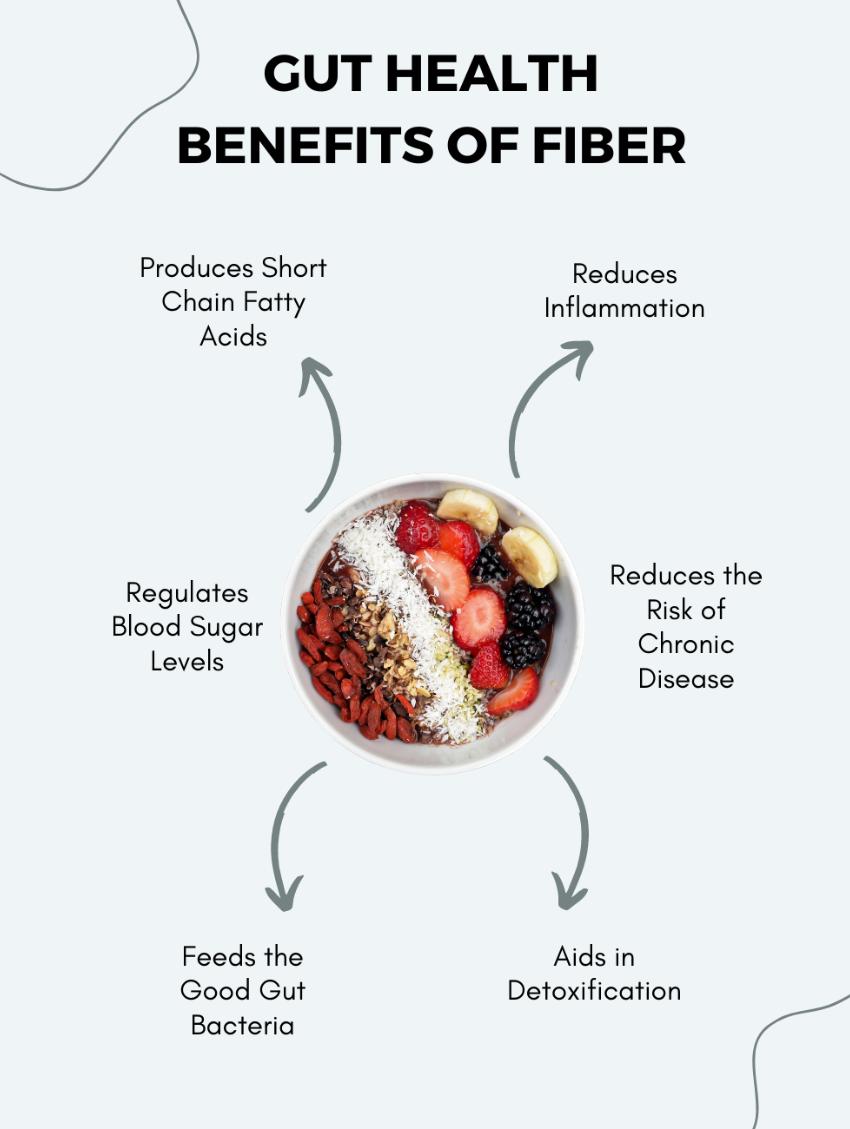
Key Benefits of Fiber for Gut Health:
- Promotes Regularity: Fiber adds bulk to the stool, which helps to regulate bowel movements and prevent constipation.
- Feeds Beneficial Gut Bacteria: Certain types of fiber act as prebiotics, feeding the beneficial bacteria in your gut, which in turn produce short-chain fatty acids (SCFAs) that support gut health.
- Helps Maintain a Healthy Weight: Fiber-rich foods are typically low in calories and help you feel full longer, reducing overall calorie intake and supporting weight management.
- Reduces Risk of Chronic Diseases: A diet high in fiber is associated with a lower risk of developing heart disease, type 2 diabetes, and certain types of cancer.
Types of Fiber
There are two main types of dietary fiber: soluble and insoluble. Both are essential for maintaining good health, but they work in different ways.
- Soluble Fiber
How It Works:
Soluble fiber dissolves in water to form a gel-like substance in the gut. It helps to slow down digestion, which can be beneficial for blood sugar control and cholesterol levels.
Sources:
- Oats
- Beans and legumes
- Apples and citrus fruits
- Barley
- Carrots
Benefits for Gut Health:
Soluble fiber acts as a prebiotic, feeding the beneficial bacteria in your gut and supporting a healthy microbiome. It also helps regulate blood sugar levels and can reduce cholesterol, contributing to heart health.
- Insoluble Fiber
How It Works:
Insoluble fiber does not dissolve in water. Instead, it adds bulk to the stool and helps food pass more quickly through the stomach and intestines.
Sources:
- Whole grains (e.g., whole wheat, brown rice)
- Vegetables (e.g., broccoli, spinach)
- Nuts and seeds
- Wheat bran
Benefits for Gut Health:
Insoluble fiber helps prevent constipation and promotes regular bowel movements by adding bulk to the stool. It also helps maintain bowel health and can reduce the risk of developing hemorrhoids and diverticular disease.
How Much Fiber Do You Need?
The amount of fiber you need can vary based on age, sex, and overall health. However, general recommendations suggest:
- Women: 21-25 grams of fiber per day
- Men: 30-38 grams of fiber per day
Unfortunately, most people fall short of these recommendations, with the average daily intake being about 15 grams. Increasing your fiber intake to meet these recommendations can have significant benefits for your gut health and overall well-being.
Tips for Increasing Fiber Intake
Start Your Day with Fiber:
Begin your day with a high-fiber breakfast, such as oatmeal topped with fruits and nuts, or whole-grain cereal with milk.Incorporate Fruits and Vegetables:
Aim to fill half your plate with fruits and vegetables at every meal. These foods are naturally high in fiber and provide essential vitamins and minerals.Choose Whole Grains:
Replace refined grains with whole grains, such as brown rice, whole-wheat bread, and quinoa, to boost your fiber intake.Snack on Fiber-Rich Foods:
Choose snacks that are high in fiber, such as raw vegetables, fruits, nuts, and seeds.Add Legumes to Your Diet:
Incorporate beans, lentils, and chickpeas into your meals. These are excellent sources of both soluble and insoluble fiber.Stay Hydrated:
As you increase your fiber intake, it’s important to drink plenty of water. Fiber works best when it absorbs water, which helps it pass through the digestive system more easily.
Consider Supplements
If you find it difficult to get enough fiber from your diet alone, you might consider a fiber supplement. However, it’s always best to try to meet your fiber needs through whole foods, as they provide additional nutrients that supplements cannot replicate.
For those looking to support their gut health further, incorporating a high-quality supplement like Boosted Health’s beta-glucan can be beneficial. This supplement not only provides immune support but also promotes gut health by helping to maintain a balanced microbiome, which is essential for effective digestion and nutrient absorption.
Conclusion
Fiber plays a critical role in maintaining gut health and overall well-being. By ensuring you consume enough fiber each day, you can support a healthy digestive system, reduce the risk of chronic diseases, and maintain a healthy weight. Whether through whole foods or supplements, making fiber a priority in your diet is a simple yet powerful way to enhance your health.
Interested in learning more about gut health? Explore our other articles on the importance of a healthy gut, the best foods for digestion, and how to support your gut with the right supplements. With the right approach, you can ensure that your gut remains healthy and your body thrives.

