Introduction
The intricate connection between gut health and hormonal balance is a topic gaining significant attention in both scientific research and holistic health circles. Your gut microbiome—the community of trillions of bacteria, viruses, and fungi living in your digestive tract—plays a crucial role in regulating hormones that impact everything from metabolism and mood to reproductive health. Understanding how gut health influences hormonal balance can empower you to take proactive steps in supporting both systems. In this article, we’ll explore the link between gut health and hormonal balance, and provide actionable strategies to maintain harmony between the two.
The Gut-Hormone Connection
Your gut and hormones are in constant communication, influencing each other’s functions in numerous ways. This relationship, often referred to as the “gut-hormone axis,” is vital for maintaining overall health and well-being.
Key Hormonal Functions Affected by Gut Health:
- Estrogen Metabolism: The gut microbiome plays a key role in metabolizing and regulating estrogen levels in the body. An imbalanced gut can lead to improper estrogen metabolism, contributing to conditions like estrogen dominance, which is linked to issues such as PMS, fibroids, and an increased risk of breast cancer.
- Cortisol Regulation: The gut-brain axis, a complex communication network between the gut and the brain, influences the production of cortisol, the body’s primary stress hormone. Chronic gut issues can lead to dysregulation of cortisol, contributing to stress, anxiety, and sleep disturbances.
- Thyroid Function: The gut microbiome is involved in the conversion of thyroid hormones. An unhealthy gut can impair the conversion of T4 (inactive thyroid hormone) to T3 (active thyroid hormone), leading to symptoms of hypothyroidism such as fatigue, weight gain, and depression.
Signs Your Gut Health May Be Impacting Hormones
If you’re experiencing hormonal imbalances, your gut health may be playing a role. Some signs that your gut could be affecting your hormones include:
- Irregular Menstrual Cycles: Disruptions in your menstrual cycle, such as irregular periods or severe PMS, may be linked to an imbalanced gut microbiome affecting estrogen levels.
- Chronic Stress and Anxiety: If you find yourself constantly stressed or anxious, it could be related to gut dysbiosis (an imbalance of gut bacteria) affecting cortisol regulation.
- Digestive Issues: Bloating, constipation, or diarrhea, along with hormonal symptoms like fatigue or mood swings, might indicate that your gut health is impacting your hormonal balance.
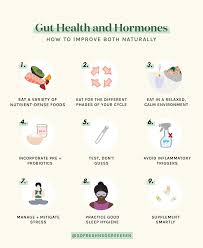
Strategies to Support Gut Health and Hormonal Balance
- Adopt a Hormone-Balancing Diet
Why It’s Important:
Diet is one of the most powerful tools for supporting both gut health and hormonal balance. The foods you eat can directly influence the composition of your gut microbiome and the production and metabolism of hormones.
What to Do:
- Increase Fiber Intake: Fiber-rich foods, such as fruits, vegetables, and whole grains, help feed beneficial gut bacteria and support healthy estrogen metabolism by promoting regular bowel movements, which help eliminate excess estrogen from the body.
- Incorporate Healthy Fats: Healthy fats, such as those found in avocados, nuts, seeds, and fatty fish, are essential for hormone production and can help reduce inflammation in the gut.
- Limit Sugar and Processed Foods: Excess sugar and processed foods can disrupt the gut microbiome, leading to inflammation and hormonal imbalances.
Tip:
Consider adding foods rich in phytoestrogens, such as flaxseeds and soy, which can help balance estrogen levels by mimicking the hormone in the body.
- Support Gut Health with Probiotics and Prebiotics
Why It’s Important:
Probiotics and prebiotics play a critical role in maintaining a balanced gut microbiome, which in turn supports hormonal balance. Probiotics introduce beneficial bacteria to the gut, while prebiotics provide the fuel these bacteria need to thrive.
What to Consider:
- Probiotic Foods: Incorporate probiotic-rich foods like yogurt, kefir, sauerkraut, and kimchi into your diet to support a healthy gut microbiome.
- Prebiotic Foods: Foods like garlic, onions, leeks, and asparagus are rich in prebiotics that nourish beneficial gut bacteria.
Tip:
For additional support, consider a high-quality supplement like Boosted Health’s beta-glucan supplement. Beta-glucans are known for their immune-modulating properties and can help maintain a balanced gut microbiome, which is essential for proper hormone function.
- Manage Stress
Why It’s Important:
Chronic stress can wreak havoc on both your gut health and hormonal balance. The stress hormone cortisol can disrupt the gut microbiome, leading to increased inflammation and hormonal imbalances.
What to Do:
- Practice Mindfulness: Engage in mindfulness practices such as meditation, deep breathing exercises, or yoga to help manage stress levels and support gut health.
- Regular Exercise: Physical activity not only reduces stress but also supports gut health by promoting the growth of beneficial bacteria.
Tip:
Incorporating stress-reducing activities into your daily routine can help regulate cortisol levels and support a healthy gut-hormone axis.
- Ensure Adequate Sleep
Why It’s Important:
Sleep is crucial for the body’s repair processes, including maintaining a healthy gut and balanced hormones. Poor sleep can disrupt the gut microbiome and lead to hormonal imbalances.
What to Do:
- Establish a Sleep Routine: Aim for 7-8 hours of quality sleep each night by going to bed and waking up at the same time every day.
- Create a Calming Environment: Ensure your bedroom is conducive to sleep by keeping it dark, quiet, and cool.
Tip:
Limit screen time at least an hour before bed, as the blue light from screens can interfere with sleep and disrupt hormone regulation.
- Consider Supplementing with Adaptogens
Why It’s Important:
Adaptogens are natural substances that help the body adapt to stress and support hormonal balance. They can also support gut health by reducing inflammation and supporting the gut lining.
What to Consider:
- Ashwagandha: Known for its ability to lower cortisol levels and reduce stress, ashwagandha can help balance hormones and support gut health.
- Maca Root: Often used to support hormonal balance, particularly in women, maca root may help regulate menstrual cycles and reduce PMS symptoms.
Tip:
Consult with a healthcare provider before starting any new supplements, especially if you have underlying health conditions or are taking other medications.
Conclusion
The connection between gut health and hormonal balance is complex, yet vital for overall well-being. By adopting a hormone-balancing diet, supporting your gut with probiotics and prebiotics, managing stress, ensuring adequate sleep, and considering adaptogens, you can take proactive steps to maintain harmony between your gut and hormones. Incorporating supplements like Boosted Health’s beta-glucan can provide additional support, promoting a balanced gut microbiome and contributing to overall health.
Interested in learning more about gut health and hormonal balance? Explore our other articles on the gut-hormone connection, tips for a healthy diet, and how to maintain long-term well-being. By taking proactive steps to support your gut, you can achieve better hormonal balance and enjoy improved health and vitality.

