Introduction
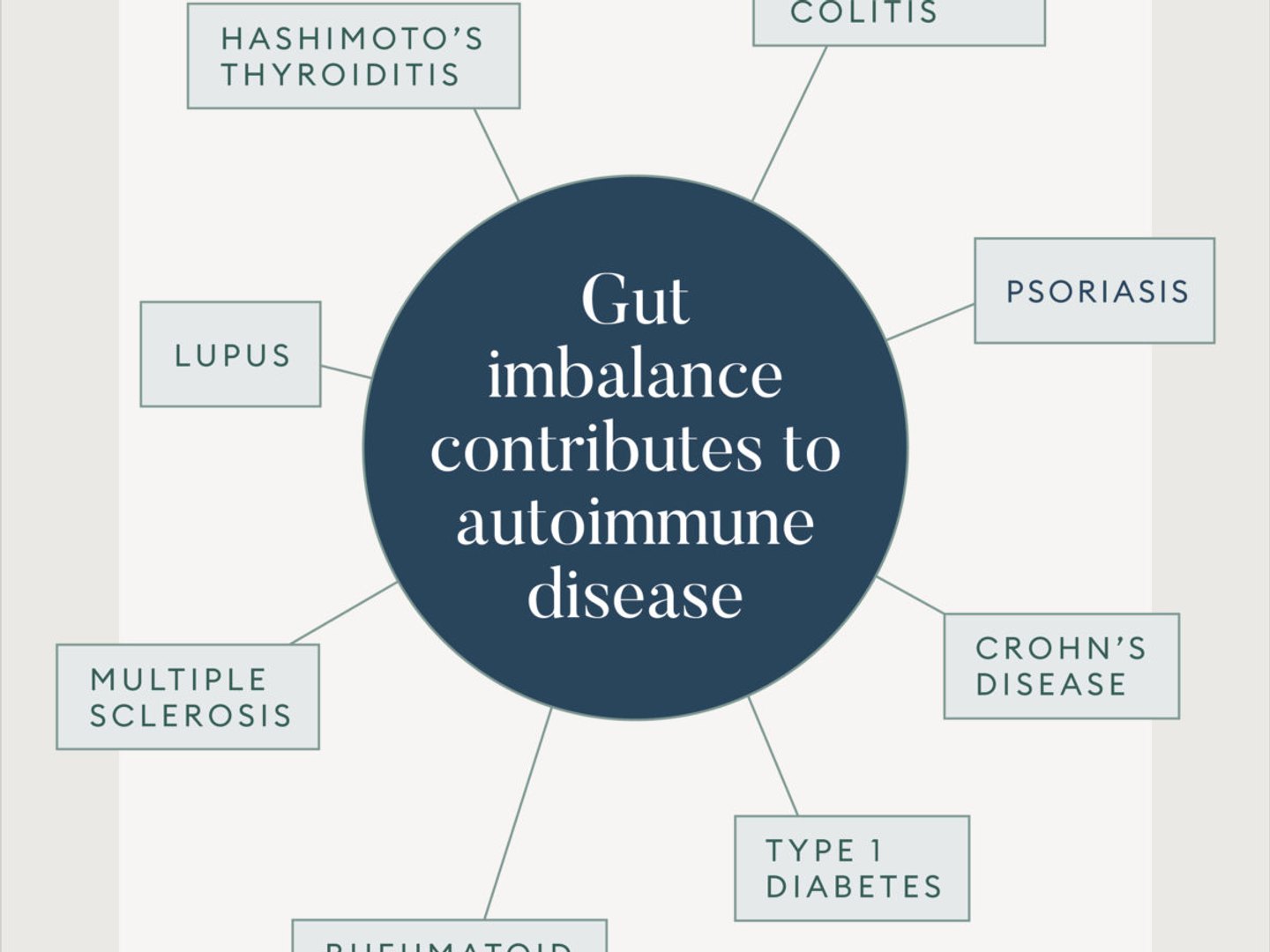
Autoimmune diseases occur when the immune system mistakenly attacks the body’s own tissues, leading to chronic inflammation and a host of symptoms that can affect various organs and systems. Recent research has highlighted the significant role of gut health in the development and management of autoimmune diseases. The gut microbiome—composed of trillions of bacteria, viruses, and fungi—plays a critical role in regulating the immune system. When the gut is out of balance, it can trigger or exacerbate autoimmune responses. This article explores how managing gut health through diet can help alleviate the symptoms of autoimmune diseases and support overall health.
The Gut-Autoimmune Connection
The gut and immune system are closely linked. Approximately 70% of the immune system is located in the gut, where the gut microbiome helps regulate immune responses. When the gut microbiome is balanced, it promotes a healthy immune system that can distinguish between harmful invaders and the body’s own cells. However, when the gut is disrupted—due to factors like poor diet, stress, or antibiotic use—it can lead to a condition known as “leaky gut,” where the gut lining becomes permeable. This permeability allows toxins, undigested food particles, and harmful bacteria to enter the bloodstream, triggering an immune response that can lead to or worsen autoimmune diseases.
Key Points:
- Inflammation: Chronic inflammation is a hallmark of autoimmune diseases. A healthy gut helps regulate inflammation, while an imbalanced gut can exacerbate inflammatory responses.
- Molecular Mimicry: Some gut bacteria share similar structures with the body’s tissues. In cases of dysbiosis (imbalance of gut bacteria), the immune system may mistake the body’s own cells for harmful invaders, leading to autoimmune attacks.
Diet and Gut Health: Managing Autoimmune Symptoms
Diet is one of the most powerful tools for managing gut health and, by extension, autoimmune symptoms. The foods you eat can either support a healthy gut microbiome or contribute to inflammation and gut dysbiosis.
- Adopt an Anti-Inflammatory Diet
Why It’s Important:
An anti-inflammatory diet can help reduce chronic inflammation, support a healthy gut microbiome, and alleviate autoimmune symptoms.
What to Include:
- Fruits and Vegetables: Rich in antioxidants and fiber, fruits and vegetables help reduce inflammation and support gut health. Leafy greens, berries, and cruciferous vegetables are particularly beneficial.
- Healthy Fats: Omega-3 fatty acids found in fatty fish, flaxseeds, and walnuts have potent anti-inflammatory properties. Incorporate these healthy fats into your diet to support both gut and immune health.
- Whole Grains: Whole grains like quinoa, brown rice, and oats provide fiber that nourishes beneficial gut bacteria and promotes a healthy gut lining.
What to Avoid:
- Processed Foods: Foods high in sugar, refined carbs, and unhealthy fats can disrupt the gut microbiome and increase inflammation.
- Gluten and Dairy: Some people with autoimmune diseases may be sensitive to gluten and dairy, which can exacerbate symptoms. Consider an elimination diet to identify potential food sensitivities.
Tip:
Incorporating a variety of colorful fruits and vegetables into your meals can help ensure you’re getting a broad spectrum of nutrients that support both gut health and immune function.
- Support Gut Health with Probiotics and Prebiotics
Why It’s Important:
Probiotics and prebiotics are essential for maintaining a balanced gut microbiome, which is crucial for managing autoimmune diseases.
What to Include:
- Probiotic Foods: Fermented foods like yogurt, kefir, sauerkraut, and kimchi are rich in probiotics that introduce beneficial bacteria to the gut. These foods can help restore balance in the gut microbiome, reducing inflammation and supporting immune regulation.
- Prebiotic Foods: Prebiotics are fibers that feed the beneficial bacteria in your gut. Foods like garlic, onions, leeks, and asparagus are excellent sources of prebiotics that help maintain a healthy gut environment.
Tip:
Consider supplementing with a high-quality product like Boosted Health’s beta-glucan supplement. Beta-glucans are known for their immune-modulating properties and can help maintain a balanced gut microbiome, which is essential for managing autoimmune conditions.
- Reduce Stress
Why It’s Important:
Chronic stress can disrupt the gut microbiome, leading to increased inflammation and exacerbation of autoimmune symptoms. Managing stress is crucial for maintaining both gut health and immune balance.
What to Do:
- Practice Mindfulness: Mindfulness practices such as meditation, deep breathing, and yoga can help reduce stress levels and support gut health.
- Regular Exercise: Physical activity promotes the growth of beneficial gut bacteria and helps regulate immune responses. Aim for regular, moderate exercise like walking, swimming, or cycling.
Tip:
Incorporating stress-reducing activities into your daily routine can help regulate cortisol levels and support a healthy gut-immune axis.
- Ensure Adequate Sleep
Why It’s Important:
Sleep is essential for the body’s repair processes, including maintaining a healthy gut and balanced immune system. Poor sleep can disrupt the gut microbiome and worsen autoimmune symptoms.
What to Do:
- Establish a Sleep Routine: Aim for 7-8 hours of quality sleep each night by going to bed and waking up at the same time every day.
- Create a Calming Environment: Ensure your bedroom is conducive to sleep by keeping it dark, quiet, and cool.
Tip:
Limit screen time at least an hour before bed, as the blue light from screens can interfere with sleep and disrupt hormone regulation.
The Role of Supplements in Managing Autoimmune Diseases
Supplements can provide additional support in managing autoimmune diseases by enhancing gut health and modulating immune responses.
Key Supplements:
- Vitamin D: Vitamin D plays a crucial role in immune regulation and has been shown to support gut health. Consider getting your vitamin D levels checked and supplementing if necessary.
- Omega-3 Fatty Acids: Omega-3s have powerful anti-inflammatory properties that can help reduce autoimmune symptoms. Fish oil supplements are a common source of omega-3s.
- Beta-Glucans: As mentioned earlier, Boosted Health’s beta-glucan supplement is an excellent choice for those with autoimmune conditions. Beta-glucans help modulate the immune system and support a balanced gut microbiome, both of which are critical for managing autoimmune diseases.
Conclusion
Managing autoimmune diseases through diet involves a comprehensive approach that focuses on reducing inflammation, supporting gut health, and maintaining a balanced immune system. By adopting an anti-inflammatory diet, incorporating probiotics and prebiotics, managing stress, ensuring adequate sleep, and considering supportive supplements like Boosted Health’s beta-glucan, you can take proactive steps to alleviate symptoms and improve your overall quality of life.
Interested in learning more about the connection between gut health and autoimmune diseases? Explore our other articles on gut health, diet strategies for managing autoimmune conditions, and how to maintain long-term wellness. By taking control of your diet and gut health, you can better manage your autoimmune symptoms and enjoy a healthier, more vibrant life.

