Introduction
Gut health is increasingly recognized as a cornerstone of overall well-being, influencing everything from digestion and immunity to mental health and disease prevention. A critical aspect of maintaining a healthy gut is the balance of beneficial bacteria within the digestive tract, which can be supported through the consumption of probiotics and prebiotics. This article explores the role of probiotics and prebiotics in gut health, how they work, and how you can incorporate them into your diet to support a thriving gut microbiome.
What Are Probiotics?
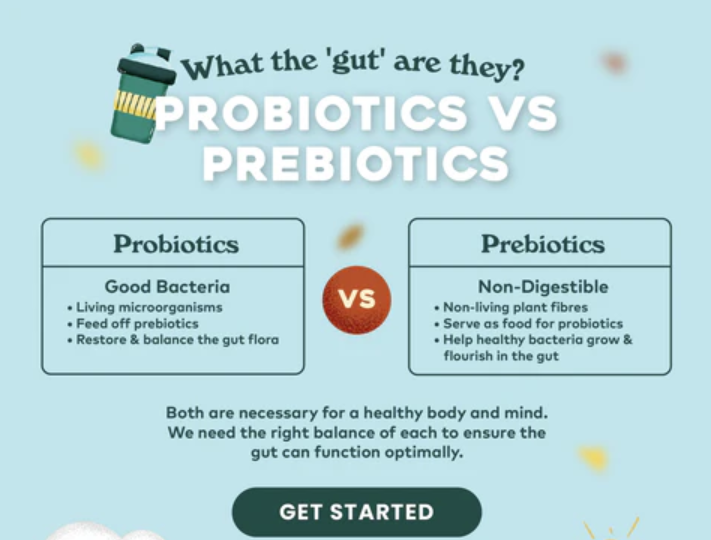
Probiotics are live microorganisms that provide health benefits when consumed in adequate amounts. These beneficial bacteria are similar to the naturally occurring bacteria found in the human gut and help maintain the balance of the gut microbiome, which is crucial for healthy digestion, immune function, and overall health.
The most common types of probiotics belong to the Lactobacillus and Bifidobacterium genera, but there are many other strains that offer specific health benefits. Probiotics can be found in various fermented foods and are also available as dietary supplements.
How Probiotics Work
Probiotics work by colonizing the gut with beneficial bacteria, which helps to balance the gut microbiome. Here’s how they contribute to gut health:
Restoring Gut Balance:
- Probiotics help restore the natural balance of gut bacteria, particularly after it has been disrupted by factors like antibiotic use, poor diet, or illness. By replenishing the gut with beneficial bacteria, probiotics can help alleviate digestive issues such as diarrhea, constipation, and bloating.
Supporting Digestive Health:
- Probiotics aid in the digestion of food and the absorption of nutrients. They help break down complex carbohydrates, fibers, and certain sugars that the body cannot digest on its own. This process produces short-chain fatty acids (SCFAs), which provide energy for gut cells and have anti-inflammatory properties.
Boosting the Immune System:
- The gut is home to a significant portion of the body’s immune system. Probiotics interact with immune cells in the gut, helping to modulate immune responses and protect against harmful pathogens. This can reduce the risk of infections and support overall immune function.
Enhancing Mental Health:
- Emerging research suggests that probiotics may have a positive impact on mental health through the gut-brain axis. Certain strains of probiotics can influence the production of neurotransmitters like serotonin, which plays a key role in mood regulation. This connection may help explain the potential benefits of probiotics for conditions such as anxiety and depression.
Common Sources of Probiotics
Probiotics are naturally found in various fermented foods, which have been part of traditional diets for centuries. Some common sources include:
- Yogurt: Made from fermented milk, yogurt is rich in probiotics, particularly Lactobacillus and Bifidobacterium strains. Opt for plain, unsweetened yogurt with live and active cultures for the most benefits.
- Kefir: A fermented milk drink that contains a wide variety of beneficial bacteria and yeasts. Kefir is more potent than yogurt in terms of probiotic content.
- Sauerkraut: Fermented cabbage that is rich in probiotics and fiber. Choose raw, unpasteurized sauerkraut for the best probiotic benefits.
- Kimchi: A traditional Korean dish made from fermented vegetables, most commonly cabbage. Kimchi is rich in Lactobacillus bacteria and other beneficial microbes.
- Miso: A Japanese paste made from fermented soybeans, miso is a good source of probiotics and can be used in soups, dressings, and marinades.
- Tempeh: A fermented soybean product that is a staple in Indonesian cuisine. Tempeh is rich in probiotics and protein, making it a healthy addition to any diet.
What Are Prebiotics?
Prebiotics are non-digestible fibers that serve as food for the beneficial bacteria in the gut. Unlike probiotics, which are live bacteria, prebiotics are dietary fibers that pass through the digestive system and stimulate the growth and activity of healthy gut bacteria.
Prebiotics are found in a variety of plant-based foods and are essential for maintaining a healthy and balanced gut microbiome. They help nourish the beneficial bacteria, allowing them to thrive and outcompete harmful bacteria.
How Prebiotics Work
Prebiotics play a crucial role in gut health by feeding and supporting the growth of beneficial bacteria. Here’s how they contribute to a healthy gut:
Feeding Beneficial Bacteria:
- Prebiotics act as a food source for probiotics and other beneficial bacteria in the gut. By consuming prebiotics, you help these bacteria multiply and thrive, which supports a healthy gut microbiome.
Producing Short-Chain Fatty Acids:
- When gut bacteria ferment prebiotics, they produce short-chain fatty acids (SCFAs) such as butyrate, acetate, and propionate. SCFAs provide energy to the cells lining the gut, reduce inflammation, and help maintain the integrity of the gut barrier.
Supporting Digestion and Regularity:
- Prebiotics can improve digestive health by promoting regular bowel movements and preventing constipation. The fermentation of prebiotics in the gut adds bulk to the stool and helps maintain a healthy digestive process.
Enhancing Immune Function:
- A healthy gut microbiome supported by prebiotics can enhance immune function. The production of SCFAs and other metabolites by gut bacteria has been shown to have anti-inflammatory effects and may help protect against infections and diseases.
Common Sources of Prebiotics
Prebiotics are naturally found in many plant-based foods, particularly those rich in certain types of fiber. Some common sources include:
- Garlic: A powerful prebiotic that contains inulin and fructooligosaccharides (FOS), which feed beneficial gut bacteria.
- Onions: Rich in inulin, onions are another excellent source of prebiotics. Both raw and cooked onions provide benefits, though raw onions contain higher levels of prebiotics.
- Asparagus: High in inulin and other fibers, asparagus is a great prebiotic food that supports the growth of healthy gut bacteria.
- Bananas: Particularly ripe bananas contain resistant starch, a type of prebiotic fiber that feeds beneficial gut bacteria and supports digestion.
- Chicory Root: One of the richest sources of inulin, chicory root is often used as a coffee substitute and added to foods as a fiber supplement.
- Jerusalem Artichokes: Also known as sunchokes, these tubers are rich in inulin and are a powerful prebiotic food that supports gut health.
The Synergy Between Probiotics and Prebiotics
Probiotics and prebiotics work together in a synergistic relationship to promote a healthy gut. While probiotics introduce beneficial bacteria into the gut, prebiotics feed these bacteria, helping them grow and thrive. This combination is often referred to as synbiotics—products or foods that contain both probiotics and prebiotics to support gut health.
For example, a synbiotic meal might include yogurt (probiotic) combined with a banana (prebiotic) or tempeh (probiotic) with garlic (prebiotic). By combining probiotics and prebiotics in your diet, you can enhance the effectiveness of both and support a healthy, balanced gut microbiome.
How to Incorporate Probiotics and Prebiotics Into Your Diet
Incorporating a variety of probiotics and prebiotics into your daily diet can help maintain and improve gut health. Here are some practical tips:
- Start Your Day with Probiotics: Have a serving of yogurt or kefir with breakfast to kickstart your gut health for the day. Add a banana or some chopped onions to your morning eggs or avocado toast to get a dose of prebiotics as well.
- Include Fermented Foods in Every Meal: Try adding sauerkraut or kimchi to your lunch or dinner. These foods not only provide probiotics but also add flavor and nutrients to your meals.
- Snack on Prebiotic-Rich Foods: Munch on raw garlic or onions, or add them to your salads and dips. For a sweet snack, have a banana or some inulin-rich chicory root tea.
- Combine Probiotics and Prebiotics: Make a habit of pairing probiotic and prebiotic foods together. For example, enjoy a yogurt parfait with sliced bananas and a drizzle of honey, or stir-fry tempeh with asparagus and garlic for a gut-healthy dinner.
Conclusion
Probiotics and prebiotics play essential roles in maintaining a healthy gut microbiome, which is crucial for overall well-being. Probiotics help introduce beneficial bacteria into the gut, while prebiotics feed these bacteria, ensuring they thrive and support various bodily functions. By incorporating a variety of probiotic and prebiotic foods into your diet, you can promote a balanced gut microbiome, improve digestion, boost immune function, and even support mental health.
Interested in learning more about gut health? Explore our other articles on how to improve gut health naturally, the best foods for gut health, and the connection between gut health and chronic diseases. By making informed dietary choices, you can take control of your gut health and enjoy a healthier, happier life.

