Introduction
Gut health has become an increasingly popular topic in recent years, capturing the attention of health enthusiasts, medical professionals, and researchers alike. The importance of gut health extends far beyond digestion; it plays a pivotal role in overall well-being, affecting everything from immune function and mental health to disease prevention. But what exactly is gut health, and why is it so crucial? This article will delve into the concept of gut health, exploring the role of the gut microbiome, its impact on various bodily functions, and how to maintain a healthy gut to support your overall health.
Understanding Gut Health
Gut health refers to the balance and function of the bacteria and other microorganisms residing in the digestive tract, collectively known as the gut microbiome. The gut microbiome is a complex and dynamic ecosystem composed of trillions of microorganisms, including bacteria, viruses, fungi, and other microbes. These microorganisms live in harmony within the digestive system, performing vital functions that are essential for maintaining health.
The gut microbiome begins to develop at birth and continues to evolve throughout a person’s life. The composition of the gut microbiome is influenced by various factors, including genetics, diet, environment, and lifestyle. While some microorganisms in the gut can be harmful, the majority are beneficial and necessary for maintaining overall health. A healthy gut is one where these microorganisms are balanced and working together to support various bodily functions.
The Role of the Gut Microbiome
The gut microbiome is involved in numerous processes that are critical to overall health. Some of the key roles of the gut microbiome include:
-
Digestion and Nutrient Absorption:
- The gut microbiome plays a crucial role in breaking down food and enabling the body to absorb essential nutrients. Certain bacteria in the gut can break down complex carbohydrates, fibers, and other components of food that the human body cannot digest on its own. This process not only aids in digestion but also produces short-chain fatty acids, which are important for gut health and energy metabolism.
-
Immune System Function:
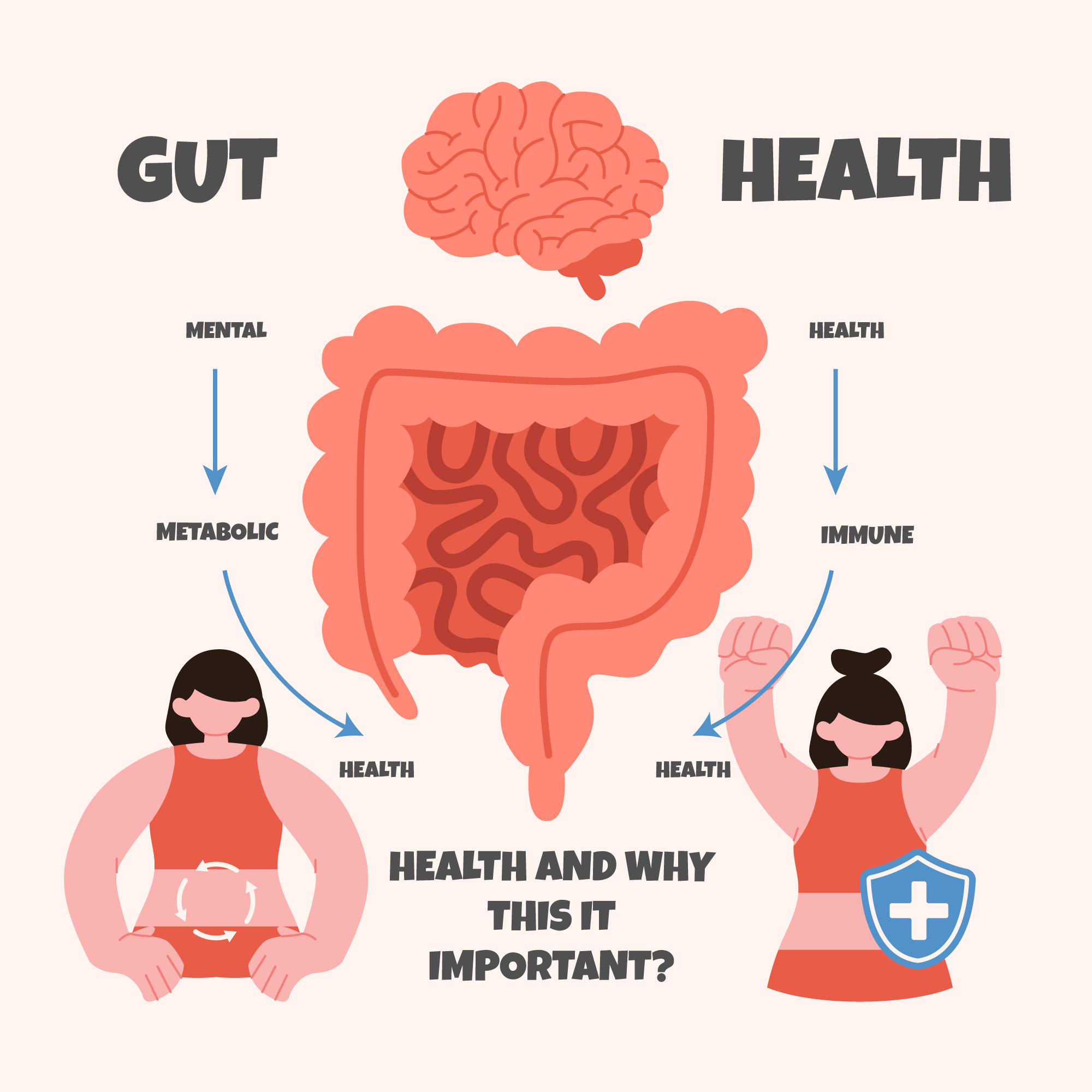
- The gut is home to a significant portion of the immune system, with an estimated 70-80% of immune cells residing in the gut. The gut microbiome helps to regulate immune responses by interacting with immune cells, protecting against pathogens, and preventing overreactions that can lead to autoimmune diseases. A healthy gut microbiome is essential for maintaining a balanced immune system and reducing the risk of infections and chronic inflammation.
-
Mental Health and the Gut-Brain Axis:
- The gut-brain axis is a bidirectional communication network that links the gut and the brain. The gut microbiome plays a role in producing neurotransmitters, such as serotonin, which influence mood and cognitive function. Research has shown that an imbalance in the gut microbiome, known as dysbiosis, is associated with mental health conditions such as anxiety, depression, and stress-related disorders. By maintaining a healthy gut, individuals can positively impact their mental well-being and cognitive performance.
-
Protection Against Disease:
- A healthy gut microbiome can protect against a variety of diseases, including obesity, type 2 diabetes, cardiovascular disease, and certain cancers. The gut microbiome influences the metabolism of nutrients and medications, modulates inflammation, and helps maintain a healthy weight. Dysbiosis, on the other hand, has been linked to the development of metabolic disorders, inflammatory diseases, and increased susceptibility to infections.
Why Gut Health Is Important
1. Overall Well-Being:
- The gut is often referred to as the “second brain” due to its extensive role in regulating various body systems. A healthy gut supports overall well-being by ensuring that the digestive system functions efficiently, the immune system is robust, and mental health is balanced. The gut microbiome’s influence on these systems highlights the importance of maintaining gut health for a high quality of life.
2. Disease Prevention:
- Maintaining a healthy gut can help prevent a wide range of chronic diseases. For example, an imbalanced gut microbiome has been linked to gastrointestinal disorders such as inflammatory bowel disease (IBD) and irritable bowel syndrome (IBS). Additionally, research suggests that gut health is connected to the prevention of metabolic diseases, such as obesity and type 2 diabetes, as well as cardiovascular diseases and certain types of cancer. By supporting gut health through diet and lifestyle choices, individuals can reduce their risk of developing these conditions.
3. Enhanced Digestion and Nutrient Absorption:
- A healthy gut is essential for proper digestion and nutrient absorption. Without a well-functioning gut, the body may struggle to absorb vitamins, minerals, and other nutrients necessary for health, leading to deficiencies and related health issues. For example, deficiencies in essential nutrients like vitamin B12, iron, and calcium can result in anemia, weakened bones, and compromised immune function. By promoting gut health, individuals can ensure that their bodies receive the nutrients they need to thrive.
4. Mental Health and Cognitive Function:
- The gut-brain connection underscores the importance of gut health in mental well-being. A balanced gut microbiome can improve mood, reduce symptoms of depression and anxiety, and enhance cognitive function. The production of neurotransmitters, such as serotonin and gamma-aminobutyric acid (GABA), by gut bacteria plays a crucial role in regulating emotions and stress responses. Emerging research also suggests that gut health may influence cognitive functions such as memory and learning, further emphasizing the need for a healthy gut.
5. Immune System Regulation:
- The gut microbiome’s influence on the immune system is critical for maintaining immune balance and preventing overactive immune responses. A healthy gut microbiome helps to train the immune system to distinguish between harmful pathogens and harmless substances, reducing the likelihood of allergic reactions, autoimmune diseases, and chronic inflammation. By supporting gut health, individuals can enhance their immune defenses and reduce the risk of infections and inflammatory conditions.
How to Support Gut Health
Maintaining a healthy gut requires a combination of dietary and lifestyle choices that promote the growth of beneficial bacteria and support overall gut function. Here are some strategies to support gut health:
-
Diet:
- Eat a Diverse Diet: A diverse diet rich in different types of fruits, vegetables, whole grains, and legumes provides a variety of nutrients and fibers that feed beneficial gut bacteria. Different foods support the growth of different microbial species, contributing to a more diverse and resilient gut microbiome.
- Include Fermented Foods: Fermented foods, such as yogurt, kefir, sauerkraut, kimchi, and miso, contain live beneficial bacteria known as probiotics. These foods help to introduce and maintain healthy bacteria in the gut.
- Consume Prebiotic-Rich Foods: Prebiotics are fibers that feed beneficial gut bacteria. Foods like garlic, onions, leeks, asparagus, bananas, and whole grains are excellent sources of prebiotics.
- Limit Processed Foods and Sugar: Processed foods and added sugars can disrupt the balance of the gut microbiome, promoting the growth of harmful bacteria and contributing to dysbiosis.
-
Hydration:
- Drinking plenty of water supports digestion and the overall function of the gastrointestinal system. Staying hydrated helps to maintain the mucosal lining of the intestines and supports the movement of food through the digestive tract, reducing the risk of constipation and promoting regular bowel movements.
-
Regular Exercise:
- Physical activity has been shown to positively influence the gut microbiome, promoting the growth of beneficial bacteria. Regular exercise can also help regulate bowel movements, reduce stress, and improve overall digestive health.
-
Stress Management:
- Chronic stress can negatively impact gut health by disrupting the gut-brain axis and altering the composition of the gut microbiome. Incorporating stress-reduction techniques, such as meditation, deep breathing, yoga, and mindfulness, can help to protect gut health and improve overall well-being.
-
Limiting Antibiotics:
- While antibiotics are necessary for treating bacterial infections, they can also disrupt the balance of the gut microbiome by killing both harmful and beneficial bacteria. It’s important to use antibiotics only when prescribed and to follow a course of probiotics afterward to help restore gut health.
-
Get Enough Sleep:
- Quality sleep is essential for overall health, including gut health. Poor sleep can disrupt the gut microbiome and contribute to digestive issues. Aim for 7-9 hours of sleep per night to support gut health and overall well-being.
The Connection Between Gut Health and Chronic Diseases
The gut microbiome’s influence extends beyond digestion and plays a significant role in the development and prevention of chronic diseases. Here are some key connections between gut health and chronic diseases:
-
Obesity and Metabolic Syndrome:
- Research has shown that an imbalance in the gut microbiome can contribute to obesity and metabolic syndrome, a cluster of conditions that increase the risk of heart disease, stroke, and type 2 diabetes. Certain gut bacteria are involved in the regulation of metabolism, appetite, and fat storage. A healthy gut microbiome can help regulate body weight and reduce the risk of metabolic disorders.
-
Cardiovascular Disease:
- The gut microbiome influences cardiovascular health by affecting cholesterol levels, blood pressure, and inflammation. Dysbiosis has been linked to an increased risk of cardiovascular diseases, such as atherosclerosis and hypertension. Supporting gut health can help reduce the risk of heart-related conditions.
-
Autoimmune Diseases:
- The gut microbiome plays a crucial role in regulating immune responses and preventing autoimmune diseases. Dysbiosis has been associated with the development of autoimmune conditions, such as rheumatoid arthritis, multiple sclerosis, and inflammatory bowel disease. By maintaining a healthy gut, individuals can reduce the risk of autoimmune diseases and support immune balance.
-
Cancer:
- Emerging research suggests that the gut microbiome may influence the development of certain cancers, including colorectal cancer. While the precise mechanisms are still being studied, the interaction between the gut microbiome and the immune system may influence the formation and growth of cancer cells. A healthy gut may help to reduce inflammation and protect against the development of certain types of cancer, particularly those related to the digestive system.
Conclusion
Gut health is fundamental to overall well-being, playing a crucial role in digestion, immune function, mental health, and disease prevention. By understanding the importance of gut health and taking proactive steps to support a healthy gut microbiome, you can enhance your quality of life and reduce the risk of chronic diseases. A balanced diet rich in fiber, fermented foods, and prebiotics, along with regular exercise, stress management, and proper hydration, are key strategies for maintaining gut health.
As research continues to uncover the intricate connections between the gut microbiome and various aspects of health, it becomes increasingly clear that nurturing a healthy gut is one of the most effective ways to support overall health and well-being.
Interested in learning more? Explore our other articles on gut health, including how to improve gut health naturally, the best foods for a healthy gut, and the role of probiotics and prebiotics in supporting your microbiome. By staying informed and making mindful choices, you can take control of your gut health and enjoy a healthier, happier life.

