Introduction
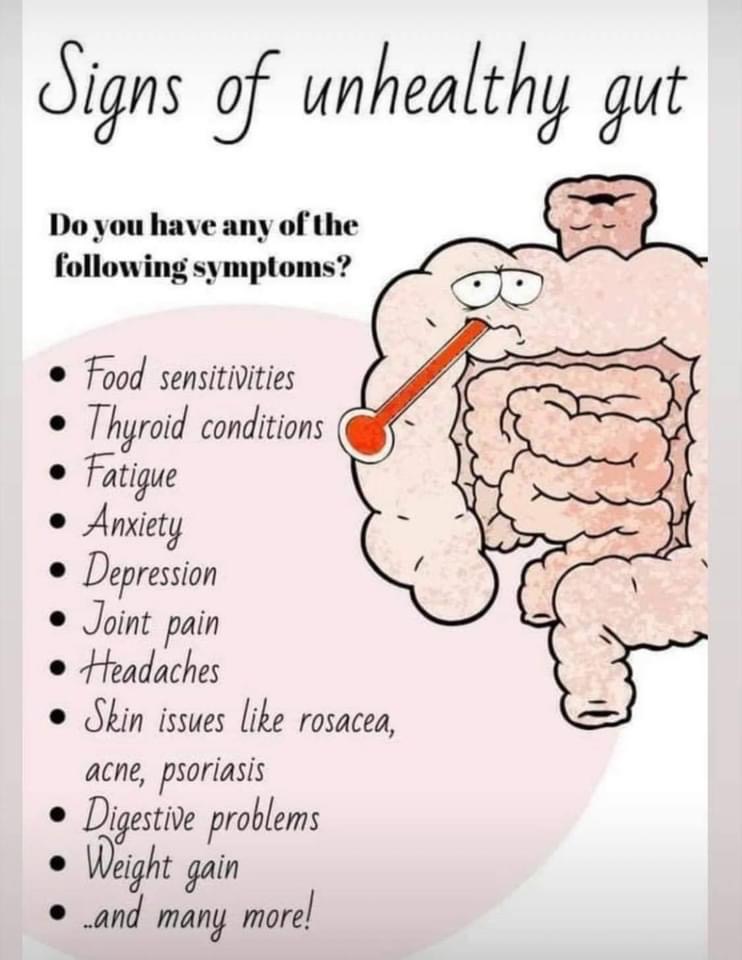
Gut health is a vital aspect of overall well-being, impacting digestion, immunity, mental health, and even chronic disease risk. The gut, often referred to as the “second brain,” plays a crucial role in maintaining balance within the body. However, when the gut is unhealthy, it can manifest in various ways that may seem unrelated to digestion. Recognizing the signs of an unhealthy gut is the first step toward addressing and improving your digestive health. This article will explore the key indicators of an unhealthy gut and provide insights on how to restore balance to your gut microbiome.
1. Digestive Issues
What to Watch Out For:
- Chronic Bloating: Persistent bloating can indicate an imbalance in gut bacteria, often referred to as dysbiosis. This imbalance can lead to excessive gas production, resulting in bloating.
- Constipation or Diarrhea: Regular constipation or diarrhea can be signs of an unhealthy gut. The gut microbiome plays a crucial role in regulating bowel movements, and an imbalance can disrupt normal digestion.
- Heartburn or Acid Reflux: Frequent heartburn or acid reflux may be linked to gut health. An imbalanced gut can increase stomach acid production or weaken the digestive tract’s ability to process food efficiently.
Why It Happens:
- The gut microbiome is responsible for breaking down food, absorbing nutrients, and managing waste. When this system is disrupted, it can lead to digestive discomfort and irregularities.
2. Unintended Weight Changes
What to Watch Out For:
- Unexplained Weight Loss: If you’re losing weight without trying, it could be due to malabsorption of nutrients caused by an unhealthy gut. Conditions like leaky gut syndrome can prevent your body from properly absorbing the nutrients it needs.
- Unexplained Weight Gain: Conversely, an imbalanced gut can lead to weight gain. Some gut bacteria extract more calories from food than others, leading to increased fat storage. Additionally, an unhealthy gut can increase cravings for sugar and processed foods, contributing to weight gain.
Why It Happens:
- Gut bacteria influence metabolism, energy extraction from food, and fat storage. An unhealthy gut can disrupt these processes, leading to unintended weight changes.
3. Food Intolerances and Sensitivities
What to Watch Out For:
- New or Worsening Food Intolerances: Developing food intolerances or sensitivities, particularly to foods that you previously tolerated well, can be a sign of gut issues. Common symptoms include bloating, gas, diarrhea, and stomach pain after eating certain foods.
Why It Happens:
- An unhealthy gut may struggle to break down and process certain foods, leading to food intolerances. This is often due to a reduction in the number of beneficial bacteria needed to digest particular foods or an increase in harmful bacteria that cause inflammation and disrupt digestion.
4. Skin Issues
What to Watch Out For:
- Acne, Eczema, and Psoriasis: Skin conditions like acne, eczema, and psoriasis can be linked to gut health. Inflammation in the gut caused by an imbalance in gut bacteria can manifest on the skin, as the body attempts to eliminate toxins through the skin.
Why It Happens:
- The gut-skin axis refers to the connection between gut health and skin conditions. An unhealthy gut can lead to systemic inflammation, which may exacerbate or trigger skin problems.
5. Autoimmune Conditions
What to Watch Out For:
- New or Worsening Autoimmune Symptoms: Autoimmune diseases, such as rheumatoid arthritis, lupus, and Hashimoto’s thyroiditis, have been linked to gut health. If you notice a flare-up or new symptoms of an autoimmune condition, it could be related to gut issues.
Why It Happens:
- The gut plays a significant role in immune function. An unhealthy gut can contribute to an overactive immune response, where the body mistakenly attacks its own tissues. This can trigger or exacerbate autoimmune conditions.
6. Frequent Infections or Illness
What to Watch Out For:
- Increased Frequency of Colds, Flu, and Infections: If you find yourself getting sick more often than usual, it could be a sign that your gut health is compromised. The gut houses a significant portion of the immune system, and an unhealthy gut can weaken your immune defenses.
Why It Happens:
- A healthy gut supports a robust immune system by regulating the body’s response to pathogens. When the gut microbiome is imbalanced, it can impair the immune system’s ability to fight off infections and maintain overall health.
7. Mental Health Issues
What to Watch Out For:
- Anxiety, Depression, and Mood Swings: The gut-brain axis is a two-way communication system between the gut and the brain. If you experience increased anxiety, depression, or mood swings, it could be related to gut health.
Why It Happens:
- The gut produces neurotransmitters like serotonin, which regulate mood. An unhealthy gut can disrupt the production of these chemicals, leading to mental health issues.
8. Persistent Fatigue or Sleep Disturbances
What to Watch Out For:
- Chronic Fatigue: Feeling constantly tired, even after a full night’s sleep, may be linked to gut health. Chronic fatigue can result from nutrient malabsorption, inflammation, and an overactive immune response—all of which can be tied to an unhealthy gut.
- Sleep Issues: Difficulty falling asleep, staying asleep, or waking up feeling unrested can also be connected to gut health. The gut influences sleep by producing and regulating neurotransmitters like serotonin and melatonin.
Why It Happens:
- The gut microbiome impacts sleep patterns and energy levels. An imbalance in gut bacteria can lead to poor sleep quality and chronic fatigue.
How to Restore Gut Health
If you’re experiencing any of the above signs, it’s important to take steps to restore and maintain a healthy gut. Here are some strategies to consider:
Dietary Changes:
- Increase Fiber Intake: Fiber is essential for feeding beneficial gut bacteria. Include more fruits, vegetables, whole grains, and legumes in your diet.
- Incorporate Probiotics and Prebiotics: Probiotics are live beneficial bacteria found in fermented foods like yogurt, kefir, sauerkraut, and kimchi. Prebiotics are non-digestible fibers that feed these bacteria, found in foods like garlic, onions, leeks, asparagus, and bananas.
- Reduce Sugar and Processed Foods: Excess sugar and processed foods can promote the growth of harmful bacteria in the gut. Reducing their intake can help restore balance.
Manage Stress:
- Stress can negatively impact gut health by altering gut motility and increasing inflammation. Incorporate stress-reducing activities into your daily routine, such as meditation, yoga, deep breathing exercises, and regular physical activity.
Get Enough Sleep:
- Aim for 7-9 hours of quality sleep per night to support overall health, including gut health. Establish a regular sleep routine and create a relaxing bedtime environment.
Stay Hydrated:
- Drinking plenty of water is essential for maintaining a healthy digestive system. Proper hydration helps with digestion and supports the mucosal lining of the intestines.
Consider Supplements:
- If dietary changes alone aren’t enough, you may want to consider taking a probiotic supplement to help restore the balance of your gut microbiome. Always consult with a healthcare provider before starting any new supplement.
Conclusion
An unhealthy gut can manifest in various ways, from digestive issues and weight changes to skin problems and mental health challenges. Recognizing these signs is the first step toward improving your gut health and, by extension, your overall well-being. By making dietary and lifestyle changes that support a healthy gut microbiome, you can restore balance, reduce symptoms, and enjoy better health.
Interested in learning more about gut health? Explore our other articles on the gut-brain connection, how to improve gut health naturally, and the benefits of a gut-healthy diet. By taking a proactive approach to your gut health, you can enhance both your physical and mental well-being.

