Introduction
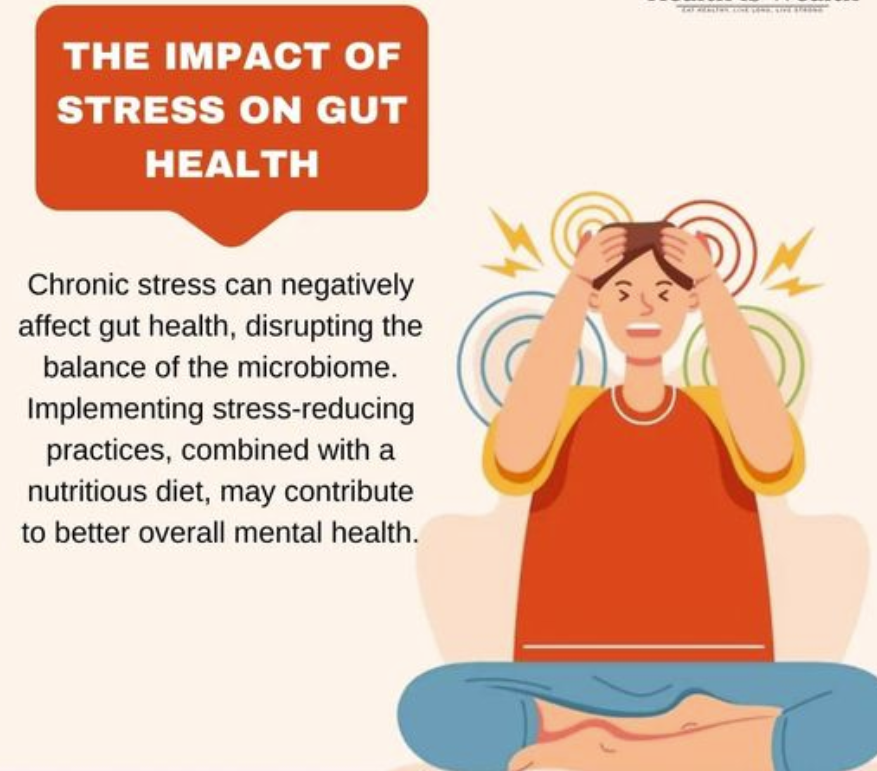
Stress is an inevitable part of life, and while it’s often viewed as a mental or emotional issue, its effects on physical health—especially gut health—are profound. The connection between stress and gut health is a bidirectional relationship, where stress can lead to digestive issues, and poor gut health can, in turn, exacerbate stress. Understanding how stress affects your gut and learning effective management strategies is essential for maintaining overall well-being.
The Gut-Brain Axis: How Stress Affects Gut Health
The gut and the brain are intricately connected through the gut-brain axis, a communication network involving the nervous system, immune system, and hormones. This axis allows for constant communication between the brain and the gut, meaning that what affects one often affects the other.
When you’re stressed, your body activates the sympathetic nervous system—commonly known as the “fight or flight” response. This response releases stress hormones like cortisol and adrenaline, which prepare your body to deal with immediate threats. However, chronic stress can have negative consequences on your gut health through several mechanisms:
Altered Gut Motility:
- Stress can disrupt the normal contractions of the digestive tract, leading to either accelerated or delayed gut motility. This can result in symptoms like diarrhea, constipation, or a combination of both, commonly seen in conditions like irritable bowel syndrome (IBS).
Increased Intestinal Permeability:
- Also known as “leaky gut,” chronic stress can increase the permeability of the intestinal lining. This allows harmful substances, like toxins and bacteria, to pass from the gut into the bloodstream, triggering inflammation and contributing to various health issues.
Imbalance in Gut Microbiota:
- Stress can negatively affect the gut microbiome, the community of beneficial bacteria in the gut. Chronic stress has been shown to decrease the diversity of gut bacteria and promote the growth of harmful bacteria, leading to dysbiosis. This imbalance can exacerbate digestive issues and weaken the immune system.
Increased Inflammation:
- The body’s stress response involves the release of pro-inflammatory cytokines, which can lead to inflammation in the gut. Chronic inflammation is a risk factor for several gastrointestinal disorders, including Crohn’s disease, ulcerative colitis, and IBS.
Changes in Gut-Brain Communication:
- Stress can disrupt the normal communication between the gut and the brain, leading to altered gut function and increased sensitivity to pain. This can result in heightened perceptions of discomfort or pain in the digestive system, often referred to as visceral hypersensitivity.
Symptoms of Stress-Related Gut Issues
When stress impacts the gut, it can manifest in various digestive symptoms, including:
- Abdominal Pain or Cramping: Often linked to changes in gut motility or heightened sensitivity.
- Diarrhea or Constipation: A common symptom of stress-induced gut dysfunction, particularly in conditions like IBS.
- Bloating and Gas: Stress can disrupt the digestive process, leading to the buildup of gas and bloating.
- Nausea or Loss of Appetite: Stress can interfere with the normal regulation of hunger signals, leading to nausea or reduced appetite.
- Heartburn or Acid Reflux: Stress can increase the production of stomach acid, leading to symptoms of acid reflux or heartburn.
How to Manage Stress to Improve Gut Health
Managing stress effectively is crucial for maintaining gut health and preventing the negative impacts of stress on the digestive system. Here are several strategies that can help:
Practice Mindfulness and Relaxation Techniques:
- Mindfulness practices, such as meditation, deep breathing exercises, and progressive muscle relaxation, can help reduce stress and promote relaxation. These techniques can calm the nervous system, reduce the release of stress hormones, and improve gut function.
- Example: Try setting aside 10-15 minutes each day for mindfulness meditation or deep breathing exercises. Focus on your breath, and practice deep, slow inhalations and exhalations to activate the parasympathetic nervous system, which helps counteract the stress response.
Engage in Regular Physical Activity:
- Exercise is a natural stress reliever that can positively impact gut health. Physical activity stimulates the production of endorphins, which are natural mood enhancers, and supports healthy digestion by promoting regular gut motility.
- Example: Aim for at least 30 minutes of moderate exercise most days of the week. Activities like walking, jogging, yoga, and swimming are particularly effective for reducing stress and improving gut health.
Maintain a Gut-Healthy Diet:
- A balanced diet rich in fiber, probiotics, and prebiotics can support gut health and improve your resilience to stress. Foods like yogurt, kefir, sauerkraut, and fiber-rich fruits and vegetables can promote a healthy gut microbiome and reduce the negative impact of stress on the digestive system.
- Example: Incorporate a variety of fermented foods, such as yogurt or kimchi, into your daily diet to support gut health. Additionally, include plenty of high-fiber foods, like whole grains, fruits, and vegetables, to nourish your gut bacteria.
Get Adequate Sleep:
- Sleep is essential for stress management and gut health. Poor sleep can exacerbate stress and negatively affect the gut microbiome. Prioritize getting 7-9 hours of quality sleep each night to support both mental and physical health.
- Example: Establish a regular sleep routine by going to bed and waking up at the same time each day. Create a sleep-friendly environment by keeping your bedroom cool, dark, and quiet.
Seek Social Support:
- Social connections play a vital role in managing stress. Spending time with friends, family, or participating in social activities can provide emotional support, reduce stress, and improve overall well-being.
- Example: Make time for regular social interactions, whether it’s meeting a friend for coffee, joining a club or group, or simply spending quality time with loved ones.
Limit Caffeine and Alcohol Intake:
- Both caffeine and alcohol can exacerbate the effects of stress on the gut. Caffeine stimulates the production of stomach acid and can lead to digestive issues like acid reflux, while alcohol can irritate the gut lining and disrupt the gut microbiome.
- Example: Consider reducing your intake of caffeinated beverages, especially later in the day, and limit alcohol consumption to moderate levels.
Consider Professional Help:
- If stress is severely impacting your gut health and overall well-being, it may be helpful to seek professional support. Therapies such as cognitive-behavioral therapy (CBT) and gut-directed hypnotherapy have been shown to be effective in managing stress-related gut issues.
- Example: If you’re struggling with chronic stress or gut-related symptoms, consider consulting a healthcare professional who can guide you in exploring therapeutic options.
Conclusion
The impact of stress on gut health is significant, but by understanding the connection between the gut and the brain, you can take proactive steps to manage stress and support your digestive health. Incorporating stress-reduction techniques, maintaining a gut-healthy diet, engaging in regular exercise, and prioritizing sleep are all effective strategies for improving gut health and reducing the negative effects of stress. By making these lifestyle changes, you can promote a healthier gut and enjoy improved overall well-being.
Interested in learning more about gut health? Explore our other articles on the gut-brain connection, how diet influences gut health, and practical tips for maintaining a balanced gut microbiome. By taking a proactive approach to managing stress and supporting your gut, you can enhance both your mental and physical health.

