Introduction
The relationship between the gut and the brain, often referred to as the gut-brain connection, has become a significant focus of research in recent years. This complex communication network links the emotional and cognitive centers of the brain with peripheral intestinal functions, highlighting the profound impact the gut has on mental health. Understanding how this connection works can help you take steps to improve both your gut health and mental well-being. This article delves into the science behind the gut-brain connection, explores how gut health influences mental health, and offers practical advice on nurturing this vital link.
What Is the Gut-Brain Connection?
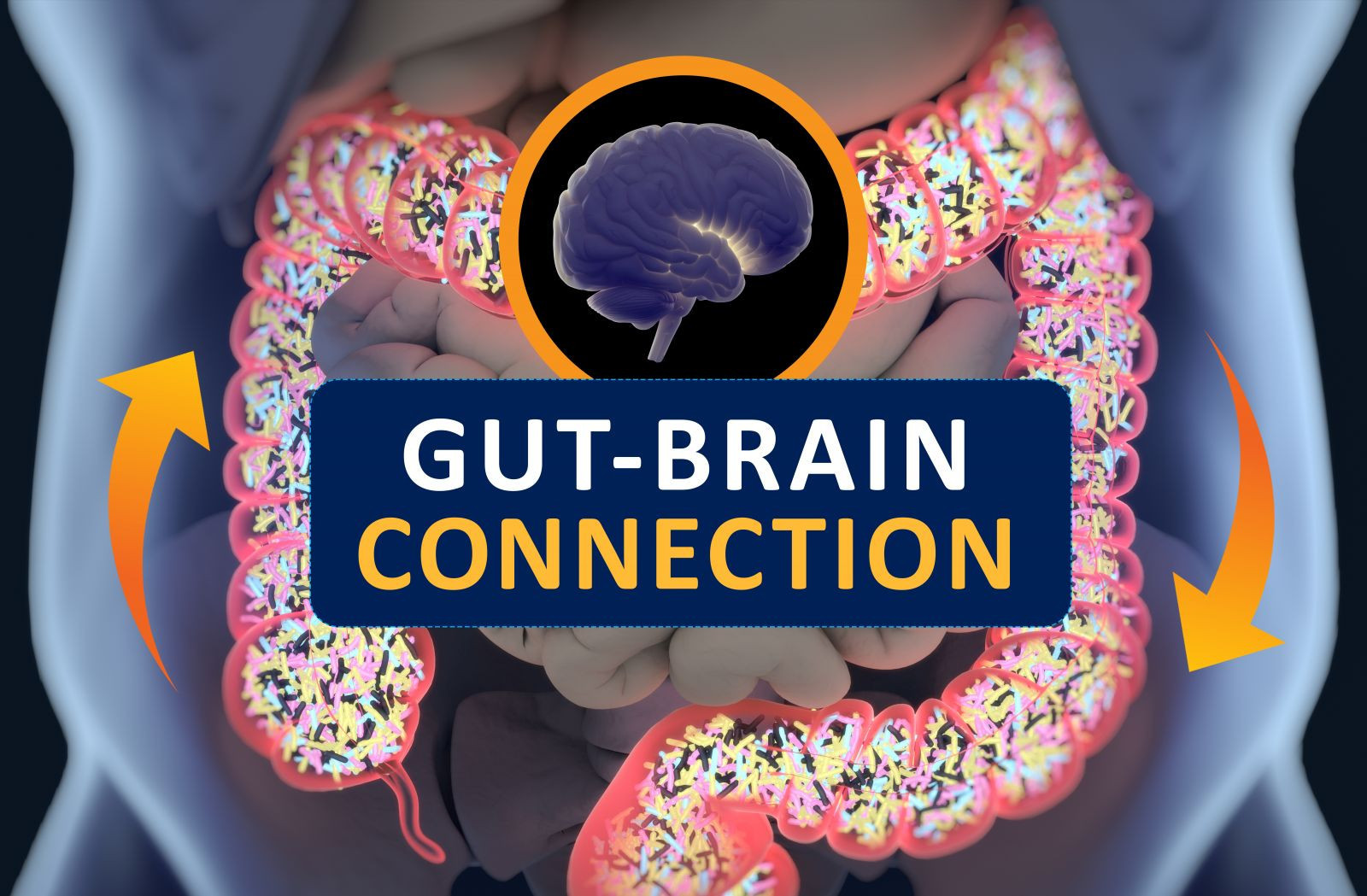
The gut-brain connection is a bidirectional communication system that links the central nervous system (CNS), which includes the brain and spinal cord, with the enteric nervous system (ENS), often referred to as the “second brain” of the gut. This connection is facilitated by a complex network of nerves, hormones, and neurotransmitters that allow the brain and gut to communicate with each other.
There are three main pathways through which the gut and brain communicate:
The Vagus Nerve:
- The vagus nerve is the longest cranial nerve in the body, running from the brainstem to the abdomen. It plays a crucial role in transmitting signals between the gut and the brain, particularly in regulating digestion, heart rate, and inflammation. The vagus nerve allows for rapid communication between the gut and brain, influencing mood, stress responses, and cognitive function.
The Immune System:
- The gut is home to a large portion of the body’s immune cells. These cells interact with the gut microbiome and produce signaling molecules, such as cytokines, that can influence brain function and behavior. Chronic inflammation in the gut, often caused by an imbalance in gut bacteria, can lead to the production of pro-inflammatory cytokines that affect brain health and contribute to conditions like depression and anxiety.
Neurotransmitters:
- The gut microbiome plays a key role in the production and regulation of neurotransmitters, which are chemicals that transmit signals between nerve cells. For example, about 90% of the body’s serotonin—a neurotransmitter that regulates mood, sleep, and appetite—is produced in the gut. Gut bacteria also influence the production of gamma-aminobutyric acid (GABA), which helps regulate anxiety and stress responses.
How Gut Health Influences Mental Health
The health of your gut can have a profound impact on your mental well-being. An imbalance in the gut microbiome, known as dysbiosis, can lead to a range of mental health issues, including anxiety, depression, and cognitive decline. Here’s how gut health affects mental health:
Mood Regulation:
- The production of neurotransmitters like serotonin and GABA in the gut plays a crucial role in regulating mood. A healthy gut microbiome supports the production of these neurotransmitters, promoting a stable and positive mood. Conversely, an imbalanced gut microbiome can disrupt neurotransmitter production, leading to mood disorders like depression and anxiety.
Stress Response:
- The gut-brain connection plays a significant role in the body’s response to stress. The gut microbiome influences the production of cortisol, a hormone that is released in response to stress. A healthy gut can help modulate cortisol levels, reducing the impact of stress on the body and mind. On the other hand, a dysregulated gut can exacerbate the stress response, leading to chronic stress and anxiety.
Cognitive Function:
- Emerging research suggests that the gut microbiome may influence cognitive function, including memory, learning, and decision-making. The gut microbiome produces metabolites that can cross the blood-brain barrier and influence brain function. For example, short-chain fatty acids (SCFAs) produced by gut bacteria have been shown to have neuroprotective effects, supporting cognitive health.
Inflammation and Mental Health:
- Chronic inflammation in the gut can have a significant impact on mental health. Inflammatory signals from the gut can travel to the brain and contribute to the development of mental health conditions like depression. This link between gut inflammation and mental health underscores the importance of maintaining a healthy gut to prevent and manage mental health issues.
The Role of Diet in the Gut-Brain Connection
Diet plays a crucial role in supporting the gut-brain connection and promoting mental health. Here are some dietary strategies to nurture this vital link:
Consume Probiotic-Rich Foods:
- Probiotics are live beneficial bacteria that can support a healthy gut microbiome. Consuming probiotic-rich foods like yogurt, kefir, sauerkraut, kimchi, and miso can help restore balance to the gut microbiome, supporting the production of neurotransmitters that regulate mood.
Include Prebiotic Foods:
- Prebiotics are non-digestible fibers that feed beneficial gut bacteria, helping them thrive. Foods rich in prebiotics include garlic, onions, leeks, asparagus, bananas, and whole grains. By supporting the growth of beneficial bacteria, prebiotics can help improve gut health and, in turn, mental health.
Eat Omega-3 Fatty Acids:
- Omega-3 fatty acids have anti-inflammatory properties that can benefit both gut health and mental health. These healthy fats are found in fatty fish like salmon, mackerel, and sardines, as well as in flaxseeds, chia seeds, and walnuts. Omega-3s have been shown to support cognitive function and reduce symptoms of depression and anxiety.
Limit Processed Foods and Added Sugars:
- Processed foods and added sugars can disrupt the balance of the gut microbiome, leading to inflammation and negatively impacting mental health. Reducing your intake of processed foods and sugars can help maintain a healthy gut microbiome and support mental well-being.
Stay Hydrated:
- Adequate hydration is essential for maintaining a healthy gut. Water helps with digestion, nutrient absorption, and the regular movement of food through the digestive tract. Staying hydrated supports gut health and helps maintain the integrity of the gut-brain connection.
Lifestyle Practices to Support the Gut-Brain Connection
In addition to dietary choices, certain lifestyle practices can help support the gut-brain connection and improve mental health:
Manage Stress:
- Chronic stress can negatively impact the gut-brain connection by disrupting the gut microbiome and increasing inflammation. Incorporating stress-reduction techniques like meditation, deep breathing exercises, yoga, and mindfulness can help reduce stress and support both gut and mental health.
Exercise Regularly:
- Regular physical activity has been shown to positively influence the gut microbiome and improve mental health. Exercise promotes the growth of beneficial bacteria in the gut, supports the production of neurotransmitters, and reduces inflammation. Aim for at least 30 minutes of moderate exercise most days of the week.
Get Enough Sleep:
- Quality sleep is essential for both gut health and mental well-being. Poor sleep can disrupt the gut microbiome and contribute to mental health issues like anxiety and depression. Aim for 7-9 hours of sleep each night, and establish a regular sleep routine to support a healthy gut-brain connection.
Limit Antibiotic Use:
- While antibiotics are necessary for treating bacterial infections, they can also disrupt the balance of the gut microbiome by killing both harmful and beneficial bacteria. Use antibiotics only when prescribed by a healthcare professional, and consider taking a probiotic supplement after completing a course of antibiotics to help restore gut health.
Conclusion
The gut-brain connection is a powerful communication network that plays a crucial role in mental health. By nurturing this connection through a healthy diet, stress management, regular exercise, and quality sleep, you can support both your gut and mental well-being. Understanding the impact of the gut microbiome on mood, stress responses, and cognitive function highlights the importance of maintaining a balanced and diverse gut microbiome. Taking proactive steps to improve gut health can lead to significant benefits for your mental health and overall quality of life.
Interested in learning more about the gut-brain connection? Explore our other articles on how diet and lifestyle choices can influence gut health, and discover practical tips for supporting a healthy gut microbiome. By making informed choices, you can strengthen the gut-brain connection and enjoy a healthier, happier life.

